

Last Updated on March 8, 2026 by Mandy Tyler, M.Ed., RD, CSSD, LD
Creatine for Teens: Insights from a Sports Dietitian
Do you have questions regarding the use of creatine by teen athletes? This is one of the questions I am most frequently asked as a sports dietitian.
Let’s explore what creatine is. Then we will discuss creatine for teens, including its safety, common myths, and creatine supplements.
What is Creatine?
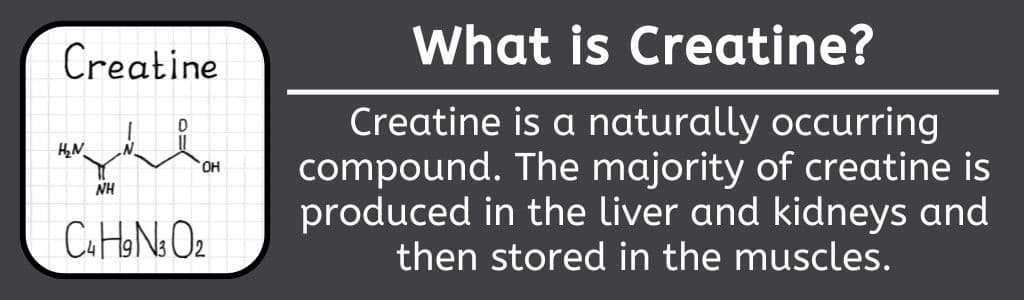
Creatine is a naturally occurring compound that is made up of three amino acids: methionine, glycine, and arginine. The majority of creatine in the body is produced in the liver and kidneys and then stored in the muscles (1).
Is Creatine Found in Food?
Creatine is naturally found in animal-based products, such as beef, pork, seafood, chicken, and turkey (2). For example, one-pound of salmon or beef provides ~1-2 grams of creatine (1).
Although the body naturally produces creatine, about 50% of an individual’s daily need for creatine comes from the diet (2).
Athletes who follow a vegetarian or vegan diet get very little creatine from the food they consume. Thus, they tend to have lower stores of creatine than athletes that include animal proteins in their meal plan.
What Does Creatine Do in the Body?
The body uses creatine to help quickly regenerate energy (ATP) during activity. This allows athletes to sustain high-intensity activity longer as well as to recover quicker (3).
In addition, creatine serves as an antioxidant in the body helping to reduce oxidative stress during exercise (1).
Creatine for Teens: Common Questions
Now that you understand what creatine is and the food sources of creatine, let’s explore common questions that I receive regarding creatine for teen athletes.
Is Creatine Safe for Teens?
I am commonly asked if creatine is safe for use by teen athletes. The International Society of Sports Nutrition (ISSN) has recognized that creatine can be a safe option for adolescent athletes, under the following conditions (1):
- Athlete is involved in serious/competitive supervised training;
- Athlete is consuming a well-balanced diet that supports sports performance;
- Athlete is knowledgeable about the appropriate use of creatine;
- Athlete does not exceed recommended dosages of creatine.
Furthermore, a recent research review examining the results of 685 studies concluded that creatine monohydrate is well-tolerated in children through older adults (4).
Is Creatine an Anabolic Steroid?
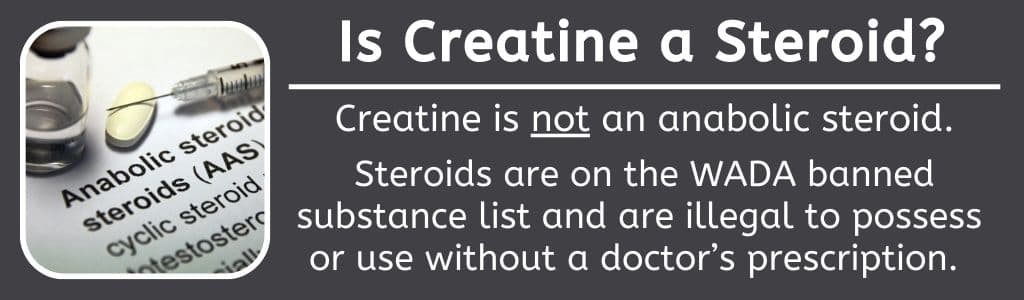
Creatine is not an anabolic steroid. Anabolic steroids are synthetic versions of the hormone testosterone and are classified as drugs. Similar to testosterone, steroids promote increases in muscle size and strength (3).
Steroids are on the banned substance list of the World Anti-Doping Agency (WADA). In addition, they are illegal to possess or use without a prescription from a physician (3).
Creatine vs. Anabolic Steroids
On the other hand, creatine is a dietary supplement. It does not work in the body the same way that testosterone or steroids do.
Creatine can result in increases in muscle size and strength. However, this is because creatine allows for increased energy production. Thus, athletes can train harder and for a longer duration. It is the increased training volume that results in the gains in muscle size and strength (3).
The ISSN has recognized that creatine is a safe alternative for teen athletes – especially in comparison to anabolic steroids which teen athletes may turn to (1).
Does Creatine Dehydrate Teens?
Creatine does not increase the risk of dehydration in teen athletes.
When consumed, creatine actually causes the body to retain a small amount of water. Based on this, creatine has been explored as a way to help reduce the risk of heat related illnesses in athletes (1).
Current research has found no increased risk of dehydration, muscle cramps, or GI upset by athletes using creatine during training or competition (1, 3).
What is the Best Creatine for Teens?
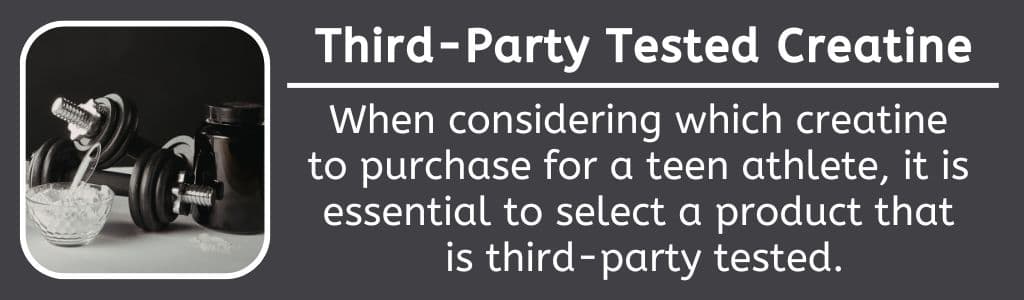
When considering what brand of creatine to purchase for a teen, I cannot overstate the importance of selecting a product that is third-party tested.
Sports nutrition supplements are not regulated by the FDA in the same way that medication and food are. Due to this, supplements pose the risk of being contaminated with banned substances that could be harmful to an athlete’s health or make them ineligible for competition (5).
Choose a Third-Party Tested Creatine for Teen Athletes
Two companies that evaluate and certify sports supplements are NSF International Certified for Sport and Informed Sport. From their websites you can search for products and supplement brands that have been tested and certified by the organization.
In addition to banned substances, creatine from China (often used in inexpensive creatine supplements) has been found to have high concentrations of heavy metals (6).
This further highlights the need to choose a high-quality creatine supplement for teens that has been third-party tested.
What Form of Creatine in Best for Teens?
There are numerous varieties and forms of creatine available on the market, which can make selecting a product a challenge.
Creatine monohydrate is the most studied form of creatine. It has the most research supporting its bioavailability, benefits, and safety (5, 6).
Don’t be tempted by marketing claims advertising superior benefits of other types of creatine (creatine salts, creatine citrate, etc.).
Creatine Monohydrate for Teens
I recommend choosing a product that contains only creatine monohydrate (no other added ingredients). The “gold standard” of creatine monohydrate is Creapure®, which is 99.9% pure creatine monohydrate and free of contaminants (6).
Creapure® is widely used in research studies and the source of creatine monohydrate found in high-quality creatine supplements. From their website you can find supplements available in the United States that contain Creapure®. Just make sure to select a supplement that is also third-party tested.
How Much Creatine Should Teen Athletes Take?
To increase muscle stores of creatine, it is commonly recommended to do a creatine loading phase. Creatine loading is the quickest way to increase creatine stores in the muscle and achieve associated performance benefits (1).
The recommendation for creatine loading is to consume ~0.3 grams of creatine per kg of body weight per day for 5-7 days (1, 7). Athletes should split the dose across 4 time periods during the day.
For a 150-pound athlete, this would be a total of 20 grams of creatine. Thus, the athlete would take 5 grams of creatine, 4 times per day, for 5-7 days to fully load the muscles with creatine.
Following the loading phase, athletes can decrease to 3-5 grams of creatine per day to maintain the muscle stores of creatine (1, 7).
Consult with a Sports Dietitian on Using Creatine with Teen Athletes
As with any sports supplement, I always recommend consulting with a sports dietitian on your teen athlete’s individual needs.
I frequently remind teen athletes that you cannot “out supplement” a bad diet. Prior to trying creatine (or any supplement), it is important for teen athletes to have a well-planned sports nutrition diet.
A strong nutrition foundation is key to supporting a teen athlete’s health needs and performance goals. A sports dietitian can evaluate and make recommendations on supplements that are appropriate for your teen.

Creatine for Teens: Insights from a Sports Dietitian
You now have an overview of the potential uses and benefits of creatine for teens, as well as key considerations before a teen should take creatine.
For additional sports nutrition tips for athletes, make sure to check out my blog on pre vs. post-workout nutrition and supplements.
Join the Nutrition By Mandy Email List & Get a Free Athlete’s Grocery List
Click HERE to join the Nutrition By Mandy e-mail list. When you join you will receive a free athlete’s grocery list to print and take with you to the store.
About the Author
Mandy Tyler is a Sports Dietitian Nutritionist in the San Antonio, TX area. She is a Registered and Licensed Dietitian, a Board-Certified Specialist in Sports Dietetics, a Licensed Athletic Trainer, and is a Certified Exercise Physiologist through the American College of Sports Medicine. Mandy has experience working with athletes at the high school, collegiate, and professional levels. She believes the key to reaching one’s full potential, both in everyday life and in sports performance, relies on a healthy nutritional foundation.

If you are looking to take your performance to the next level, make sure to check out my new Sports Nutrition Game Day Guide. This downloadable guide is written to help athletes develop an individualized plan to achieve peak performance on game day.